State vs Independent Schools in England: Costs, Outcomes and the Real Trade-offs
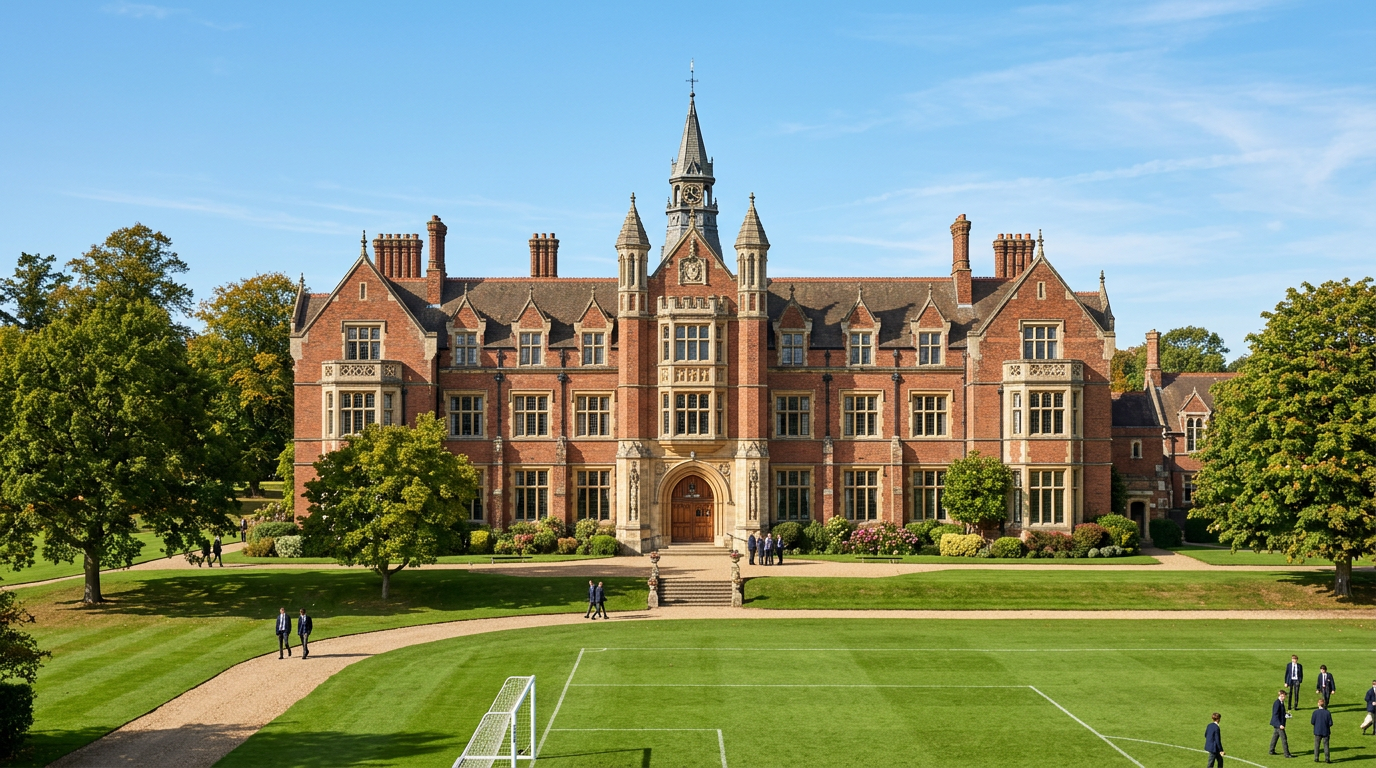
Independent schools charge fees; state schools are free. But the honest comparison is more nuanced than price. Here is how they differ on cost, class size, curriculum, inspection and outcomes.
Roughly nine in ten children in England are educated in state-funded schools, which are free to attend. The remainder attend fee-charging independent (private) schools. Deciding between the two is rarely just about money — but money is the right place to start.
Cost
State schools are funded from taxation and charge no tuition fees. Independent school fees vary enormously by region and by whether a school is day or boarding, running from a few thousand pounds a term to substantially more at the best-known boarding schools. Families should also budget for extras — uniform, trips, music tuition — and factor in that fees typically rise each year.
Class sizes and resources
Independent schools often advertise smaller classes and generous facilities, funded by fees. State schools operate within national funding and, at infant level, a legal class-size limit of 30 pupils per teacher. That said, many state schools have excellent facilities, and a small class is not automatically a better class — teaching quality matters more than the number of desks.
Curriculum and freedom
Independent schools are not bound by the national curriculum and can shape their own — sometimes offering alternative qualifications or a distinctive academic approach. Academies and free schools in the state sector also have significant curriculum freedom, while maintained schools follow the national curriculum. If a specific curriculum or qualification matters to you, check what each school actually offers rather than assuming.
Inspection: who checks the school
- State schools are inspected by Ofsted.
- Independent schools are inspected either by Ofsted or, more commonly, by the Independent Schools Inspectorate (ISI), against standards set for the sector.
The reports serve a similar purpose but use different frameworks, so compare like with like and read the narrative rather than just any headline.
Outcomes — read them carefully
Independent schools often post strong headline results, but a large part of that reflects their intake: selective admissions and, on average, more advantaged pupils. A fair comparison looks at progress — how far a school moves its pupils — not just raw attainment, and recognises that many state schools achieve excellent results and destinations.
How to decide
- Be honest about affordability across all the years, not just the first.
- Judge the specific schools, not the sectors. A strong local state school can outperform a mediocre independent one, and vice versa.
- Weigh fit and wellbeing — peer group, pastoral care, travel and extracurricular life — alongside academics.
- Visit both and ask the same questions of each.
SchoolFinder lists both state and independent schools with their official type, inspection outcome and available performance data, so you can compare real schools rather than sector stereotypes.
Frequently asked questions
Are independent schools better than state schools?
Not inherently. Independent schools often post strong headline results, but much of that reflects selective, more advantaged intakes. A fair comparison looks at the progress a school makes with its pupils and judges specific schools rather than sectors — many state schools match or exceed independent ones.
Who inspects independent schools in England?
Independent schools are inspected either by Ofsted or, more commonly, by the Independent Schools Inspectorate (ISI), against standards set for the independent sector. State schools are inspected by Ofsted.
Do independent schools follow the national curriculum?
No. Independent schools are not required to follow the national curriculum and can design their own. Within the state sector, academies and free schools also have curriculum freedom, while maintained schools follow the national curriculum.
Ready to find the right school?
Search and compare primary and secondary schools across England on official DfE and Ofsted data.